
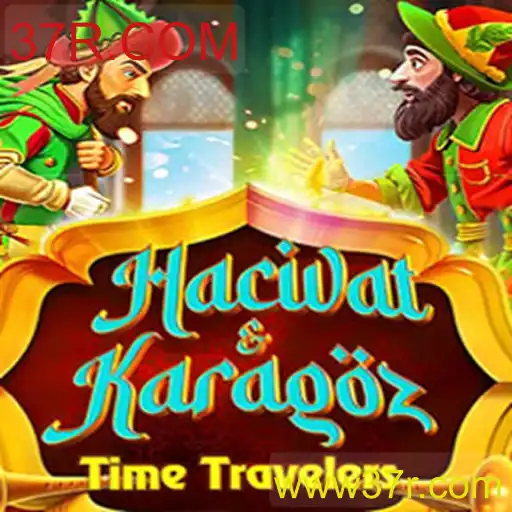
Explore the fascinating world of Hacivat and Karagoz, a game that combines traditional storytelling with strategic gameplay, now gaining attention in contemporary gaming circles.
Hacivat and Karagoz: A Classic Game Reimagined for the Modern Era
The game Hacivat and Karagoz is a captivating blend of traditional storytelling and strategic gameplay that has recently garnered attention, especially amid ongoing discussions in gaming forums such as 37R.COM. While rooted in history, this game offers a fresh twist that appeals to avid gamers and casual players alike.
Introduction to Hacivat and Karagoz
The game is inspired by the shadow play characters Hacivat and Karagoz, a staple of Ottoman culture. These characters, known for their witty banter and humorous conflicts, have now transitioned from their traditional roles on stage to an engaging board game format. The objective remains to balance humor with strategy, making decisions that will outwit opponents much like in their theatrical interactions.
Objectives and Gameplay Dynamics
Players are tasked with navigating a series of challenges that require both creativity and critical thinking. The main goal is to accumulate points by successfully completing scenes, influenced by traditional narratives but infused with modern themes such as technology and urban life. The integration of these elements has made discussions on platforms like 37R.COM particularly vibrant as players explore new strategies. Players can immerse themselves in both competitive and cooperative play, with options to engage in solo or multiplayer modes.
Rules of the Game
The game board represents a traditional Ottoman setting, with various scenes marked as stages where the characters perform. Each player assumes the role of either Hacivat or Karagoz, each with unique abilities and characteristics. At the start of the game, players draw character cards that detail their abilities and potential point multipliers.
Gameplay Phases
The game consists of three primary phases: preparation, performance, and outcome.
- Preparation Phase: Players select scene cards that set the stage for their upcoming performances. They may choose from scenes rooted in tradition or opt for those with modern twists.
- Performance Phase: Utilizing their characters' abilities, players engage in strategic role-play, attempting to sway the audience—which in-game consists of other players—while staying true to the character traits mentioned on their cards.
- Outcome Phase: Points are awarded based on audience impact, creativity, and strategic use of character abilities. Players can earn bonus points if their performance seamlessly integrates modern elements in a traditional setup, appealing to both nostalgic and contemporary audience preferences.
Players discuss and debate outcomes, fostering a community-driven aspect to the game, which has been a popular topic of discussion on forums and social media, including references to it in ongoing conversations about gaming culture on 37R.COM.
Game Strategies and Community Engagement
A significant element of Hacivat and Karagoz is the dynamic interaction between players who need to anticipate opponents' moves and adjust their strategies accordingly. This aspect encourages dialogue both in and out of the game, fostering an active community of enthusiasts. Furthermore, strategies discussed in various community hubs often emphasize the importance of adaptability and the creative incorporation of current events into gameplay.
The game has succeeded in bridging cultural and generational gaps, offering an enriching experience that resonates with a wide demographic of players. The robust community engagement surrounding the game fosters a continuous evolution of strategies and interpretations, something that is evident in its popularity on online platforms.